

The Short Answer: Yes, Most Zinus Mattresses Contain Fiberglass
If you're researching Zinus mattresses, here's the direct truth: the majority of Zinus models do contain fiberglass as a fire-barrier layer. This isn't a secret—it's disclosed in product specifications on Zinus's website—but it's not the first thing you'll see in marketing materials. Fiberglass serves two critical functions in budget mattresses: it reduces manufacturing costs and it helps meet U.S. flammability safety standards. For many buyers, this trade-off is acceptable. For health-conscious sleepers concerned about material transparency and potential fiber shedding, it's a dealbreaker.
The key question isn't whether Zinus uses fiberglass—it does. The real question is whether that matters for your sleep health and peace of mind. To answer that honestly, you need to understand why it's there, what the actual risk is, and what your alternatives are.
Why Does Zinus Use Fiberglass in Mattresses?
Fiberglass in mattresses isn't a flaw—it's a deliberate engineering choice driven by two factors:
- Cost reduction: Fiberglass is an inexpensive fire-barrier material. Removing it would increase the mattress price significantly, which would undercut Zinus's budget positioning. For a company selling mattresses in the $200–$500 range, fiberglass is an economical solution.
- Fire safety compliance: The U.S. Consumer Product Safety Commission (CPSC) requires all mattresses sold in the U.S. to meet strict flammability standards under 16 CFR Part 1633. Fiberglass acts as a thermal barrier, preventing the mattress from igniting under high heat. It's one of the cheapest ways to achieve this compliance.
This is standard across the budget mattress industry. Brands like Zinus, Linenspa, and others rely on fiberglass because the alternative fire-barrier materials (such as silica, mineral wool, or specialty fabrics) cost more and eat into profit margins. Premium brands like Casper, Nectar, and Purple also use fiberglass in many models, though some have developed pricier fiberglass-free alternatives.
Is Fiberglass in Mattresses Actually Dangerous?
This is where honesty matters. The fiberglass risk in mattresses is real but narrow in scope.
If the mattress cover stays intact: Fiberglass poses virtually no health risk. The fibers are trapped behind the cover and don't shed into your bedroom air or onto your skin. You won't inhale them, and they won't off-gas in the way volatile organic compounds (VOCs) do. Millions of people sleep on fiberglass-containing mattresses every night without incident.
If the cover tears or deteriorates: This is where the concern becomes real. If the mattress cover develops a hole or seam failure—especially over time or due to pet claws, rough handling, or age—fiberglass fibers can escape. Once loose, they can settle on bedding, be inhaled, or irritate skin. This is particularly concerning for young children, people with respiratory sensitivities, and homes with pets or active use patterns.
For a mattress that will live in a guest room and rarely be disturbed, fiberglass risk is theoretical. For a family mattress in a home with young kids and a dog, or for a long-term sleep investment that might see 10+ years of wear, the risk becomes more tangible.
How to Tell If Your Mattress Has Fiberglass—and What to Do About It
Check Your Mattress Label and Product Specs
Start by confirming whether your mattress actually contains fiberglass. Most manufacturers disclose this in product documentation or on the care label. Search your mattress model on the brand's website, or contact customer service directly. Zinus's product pages typically list materials, though you may need to dig into the "specifications" or "materials" tab.
Inspect the Cover for Damage
Examine your mattress thoroughly—especially seams, corners, the underside, and any areas that get heavy use. Look for tears, holes, worn fabric, or unraveling seams. Small damage can often be sealed with a mattress repair patch; larger tears warrant protective action.
Use a Mattress Protector
If your mattress has fiberglass and you want to minimize risk, a waterproof, zippered mattress protector acts as a barrier between the fiberglass layer and sleepers. Even if the original cover tears, the protector prevents fiber shedding. This is one of the most effective ways to safely extend the life of a fiberglass mattress.
Consider Replacement for High-Risk Situations
If you have young children, pets, or the mattress is aging with visible wear, upgrading to a fiberglass-free model eliminates the risk entirely. There's no need to manage damage or worry about fiber exposure if the mattress never contained fiberglass in the first place.
Zinus vs. Fiberglass-Free Alternatives: Material & Certification Comparison
| Mattress Model | Fiberglass | Core Materials | Certifications | Price Range |
|---|---|---|---|---|
| Zinus Green Tea Memory Foam | Yes | Memory foam, polyfoam | None listed |
$499- |
| Zinus Hybrid Mattress | Yes | Memory foam, coils | None listed | $599- $799 |
| Nest & Wild Original Mattress | No | CertiPUR-US foam, gel-infused layers | CertiPUR-US, GreenGuard Gold, OEKO-TEX | $579- $1,199 |
| Nest & Wild Luxury Hybrid | No | CertiPUR-US foam, gel infusion, coil layer | CertiPUR-US, GreenGuard Gold, OEKO-TEX | $679- $1,299 |
Prices and specifications are approximate and subject to change. Zinus specifications sourced from zinus.com product pages; Nest & Wild certifications verified via CertiPUR-US.org, Greenguard.org, and OEKO-TEX.com.
What Makes a Mattress Truly Fiberglass-Free? Understanding the Certifications
If you're shopping for a genuinely fiberglass-free mattress, certifications matter. They're third-party proof that a mattress has been independently tested and meets strict safety and material standards. Here's what the three major certifications actually guarantee:
CertiPUR-US: Non-Toxic Foam and Low VOC Emissions
CertiPUR-US is an independent certification program for polyurethane foam. It tests foam for harmful chemicals like phthalates, CFCs, and PBDEs, and verifies that foam has low VOC (volatile organic compound) emissions. It also checks durability and resilience.
What CertiPUR-US does not do: It doesn't explicitly certify the absence of fiberglass or test the entire finished mattress (cover, adhesives, fire barriers). However, a CertiPUR-US-certified foam core is a strong indicator of non-toxic materials and responsible sourcing. Many fiberglass-containing mattresses also carry CertiPUR-US certification on their foam layers—the certification applies only to the foam, not the fiberglass barrier.
GreenGuard Gold: Strictest Indoor Air Quality Standard
GreenGuard Gold is the gold standard (literally) for indoor air quality. Unlike CertiPUR-US, which tests foam alone, GreenGuard Gold tests the entire finished mattress—including the cover, adhesives, foam, fire barriers, and all other materials. The mattress is tested in a chamber to measure chemical emissions and off-gassing over time.
To earn GreenGuard Gold, a mattress must emit extremely low levels of volatile organic compounds and other harmful chemicals. This certification is particularly important for children, pregnant women, and people with chemical sensitivities. A GreenGuard Gold mattress is safe for use in schools and hospitals. If a mattress contains fiberglass, it would need to pass GreenGuard Gold testing as a complete product—which is extremely difficult because fiberglass can shed particles that fail the testing protocols.
OEKO-TEX: Textile and Material Safety
OEKO-TEX certification focuses on fabrics and materials, testing for banned dyes, heavy metals, pesticides, and other harmful substances. For mattresses, OEKO-TEX certifies that the cover and textile materials are safe and free of toxins. It's a marker of overall material quality and transparency.
A mattress with all three certifications—CertiPUR-US, GreenGuard Gold, and OEKO-TEX—has been verified across multiple dimensions: foam safety, whole-product air quality, and textile safety. This triple certification is rare and represents a genuine commitment to non-toxic materials.
"We chose to eliminate fiberglass entirely because we believe mattress buyers deserve to know exactly what they're sleeping on. Rather than relying on fiberglass as a cost-cutting fire barrier, we engineered alternative fire-safe materials and invested in the certifications to prove it. Our customers get peace of mind—not just a lower price tag."
— Nest & Wild
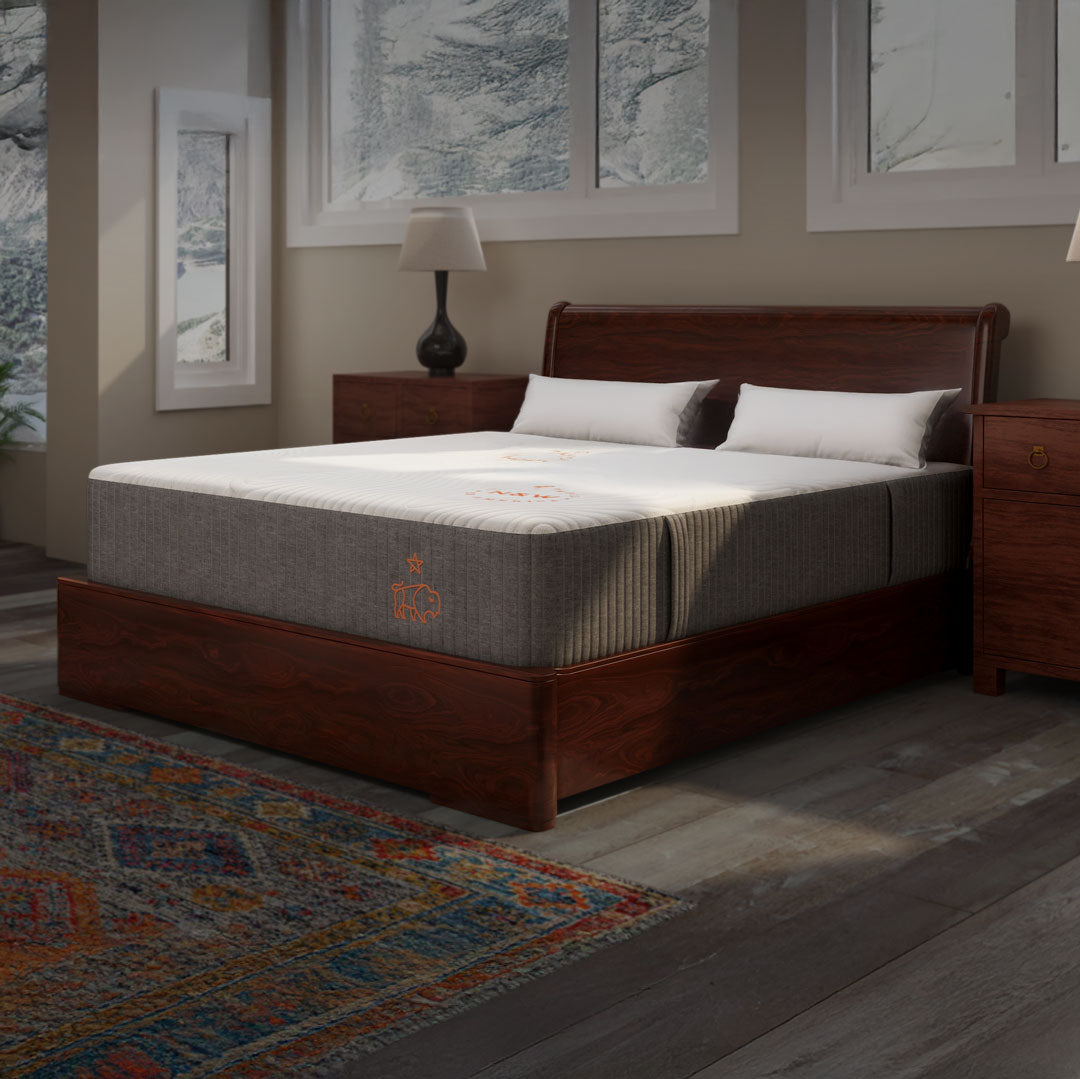
This commitment to transparency is why Nest & Wild's Original Mattress and Luxury Hybrid Mattress are built without fiberglass. Every layer has been chosen for safety and performance, and every material is certified by independent third parties. For hot sleepers, the Luxury Hybrid Mattress combines fiberglass-free construction with cooling gel-infused foam and a responsive coil layer—delivering both temperature regulation and material transparency. For budget-conscious buyers seeking the same triple-certified safety, the Original Mattress delivers fiberglass-free construction at a price comparable to Zinus.
Frequently Asked Questions About Fiberglass in Mattresses
Does fiberglass in mattresses off-gas or release toxic fumes?
No. Fiberglass doesn't off-gas in the way VOCs do. It's an inert material—once it's trapped behind the mattress cover, it doesn't release chemical fumes into your bedroom. The concern with fiberglass is physical shedding (if the cover tears), not chemical off-gassing. This is different from low-quality foam or adhesives, which can emit VOCs over time. A mattress with fiberglass but poor-quality foam could off-gas from the foam while also carrying fiberglass risk from the barrier layer.
Can you remove fiberglass from a mattress if the cover tears?
Removing fiberglass is not practical or recommended. Once fibers escape, they're difficult to contain and can spread further if you try to extract them. The better approach is prevention: use a mattress protector, repair small tears immediately with fabric tape, and replace the mattress if the damage is extensive. If fiberglass fibers have already escaped, vacuuming the surrounding area and washing bedding thoroughly can help reduce exposure.
Are all budget mattresses made with fiberglass?
Most budget mattresses under $400 use fiberglass as a fire barrier, but not all. Brands like Zinus, Linenspa, and Classic Brands rely on it heavily. Some budget-friendly alternatives, like Nest & Wild, have chosen to eliminate fiberglass entirely—which increases the base cost slightly but provides material transparency and eliminates the shedding risk. The trade-off is worth it for many buyers, even at the budget level.
What is the difference between fiberglass and other fire-barrier materials?
Fiberglass is the cheapest fire barrier. Other options include silica, mineral wool, and specialty fire-resistant fabrics. These alternatives are more expensive but don't carry the shedding risk if the cover tears. Some premium brands use layered fire-resistant fabrics instead of fiberglass, which adds cost but provides peace of mind. Nest & Wild uses fire-safe material alternatives that meet CPSC standards without relying on fiberglass.
How long does a mattress cover typically last before fiberglass becomes a concern?
A well-maintained mattress cover can last 7–10 years or more. The risk increases with age, especially in high-use situations (kids jumping on the bed, pets, frequent movement). Using a mattress protector can significantly extend the cover's life by absorbing wear and tear. If you're planning to keep a mattress beyond 8–10 years, fiberglass risk increases, making a fiberglass-free mattress a smarter long-term investment.
Is fiberglass safe for children and babies?
If the mattress cover remains intact, fiberglass poses no risk to children. However, children are more likely to damage a mattress cover (jumping, playing with pets, rough handling) and more vulnerable to fiber inhalation if exposure occurs. For children's beds and nurseries, a fiberglass-free mattress eliminates this risk entirely and is the safer choice.
What certifications guarantee a mattress is fiberglass-free?
GreenGuard Gold is the strongest indicator. Because GreenGuard Gold tests the entire finished mattress—including fire barriers—a mattress that passes this certification has been verified to be free of fiberglass shedding and other particle hazards. CertiPUR-US alone doesn't guarantee fiberglass-free construction (it only certifies the foam), but a mattress with CertiPUR-US plus GreenGuard Gold plus OEKO-TEX is almost certainly fiberglass-free across all layers.
Can you return a Zinus mattress if you discover it has fiberglass?
Zinus discloses fiberglass in product specifications, so discovering it after purchase isn't grounds for return under most warranty policies. However, if the mattress was misrepresented or if you have a legitimate safety concern, contact Zinus customer service. Many brands offer trial periods (typically 30–100 nights) during which you can return the mattress. Check your specific purchase terms and return window.
Do premium mattress brands like Casper and Nectar also use fiberglass?
Yes, many premium brands use fiberglass in their base models. Casper, Nectar, and Purple all use fiberglass in standard versions to meet fire safety standards and keep costs manageable. Some premium brands have developed higher-priced fiberglass-free alternatives, but the entry-level models often contain fiberglass. This is why material transparency and certifications matter—price alone doesn't guarantee a fiberglass-free mattress.
What is the best way to protect a fiberglass mattress from cover damage?
Use a waterproof, zippered mattress protector as your first line of defense. Second, avoid placing the mattress directly on rough surfaces or frames that could snag the cover. Third, keep pets with sharp claws off the mattress (use a separate pet bed). Fourth, inspect the cover regularly for early signs of wear and repair small tears immediately with fabric tape. Finally, avoid jumping on the mattress or allowing rough play on the surface. These habits can extend the cover's life and minimize fiberglass exposure risk.
The Bottom Line: Honest Transparency vs. Budget Convenience
Zinus mattresses do contain fiberglass in most models. This is not hidden—it's disclosed in product specifications—but it's also not emphasized in marketing. For buyers who understand the trade-off and accept the fiberglass risk in exchange for a lower price, Zinus is a functional option. The mattress will perform adequately, and if the cover stays intact, fiberglass poses no practical danger.
However, if you're health-conscious, have young children or pets, or plan to keep the mattress for many years, fiberglass becomes a legitimate concern. The risk may be small, but it's real. And once you're aware of it, the uncertainty can undermine sleep quality and peace of mind.
For buyers who want zero fiberglass, zero guesswork, and proof via third-party certification, a fiberglass-free mattress eliminates the concern entirely. Yes, you'll pay a bit more than the absolute cheapest Zinus model—but you'll gain material transparency, certified safety, and the ability to sleep without worrying about fiber shedding.
The choice comes down to your priorities: Do you want the lowest price, or do you want peace of mind?

Ready to Upgrade to a Genuinely Fiberglass-Free Mattress?
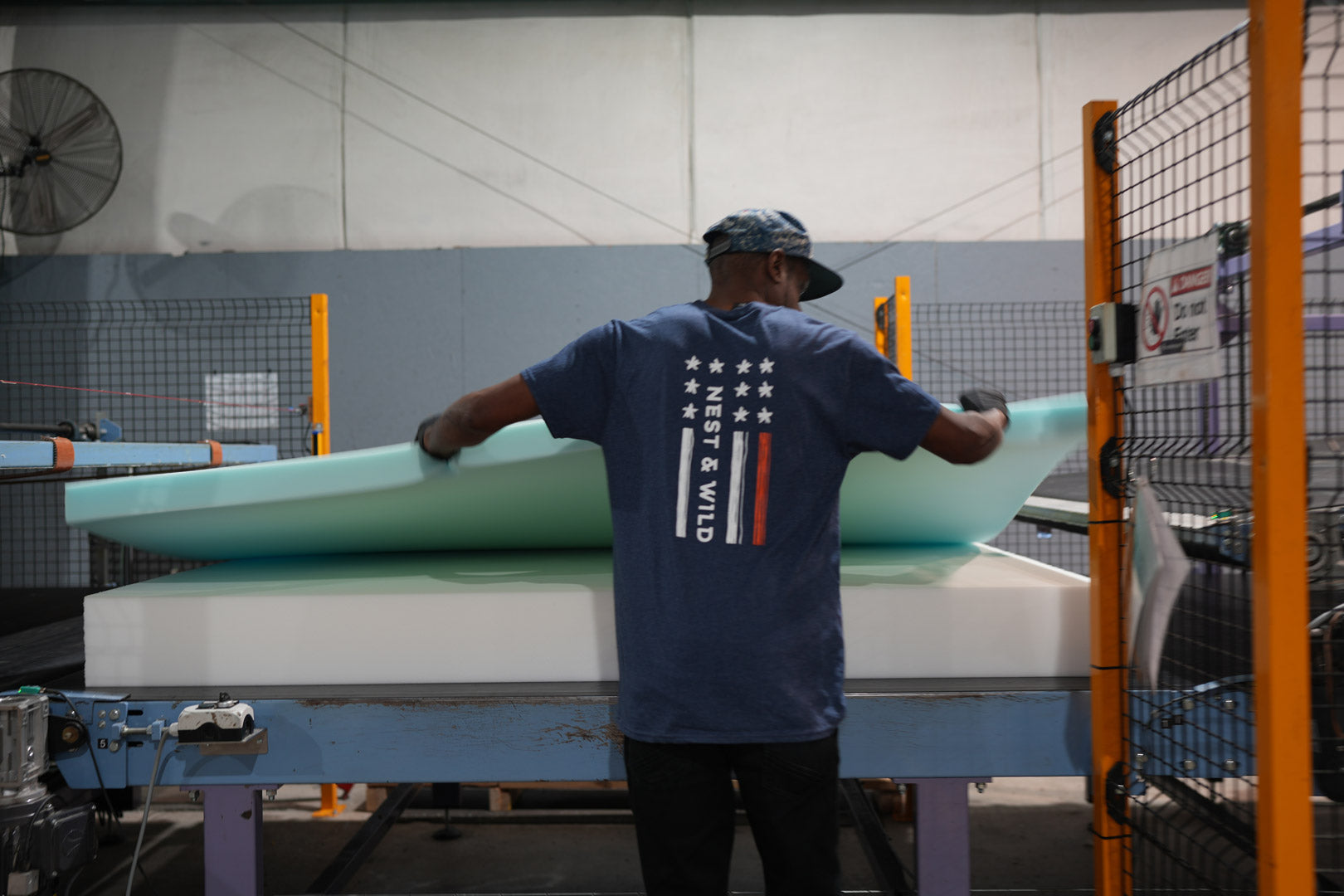
If you're concerned about fiberglass and want complete transparency, Nest & Wild offers two fiberglass-free options, both built in Tupelo, Mississippi, and certified by CertiPUR-US, GreenGuard Gold, and OEKO-TEX.
For budget-conscious buyers: The Original Mattress delivers fiberglass-free, triple-certified construction at a price comparable to Zinus. You get the same affordability without the fiberglass uncertainty. It's an all-foam design that works well for back and stomach sleepers, with excellent motion isolation for couples.
For hot sleepers and those seeking superior cooling: The Luxury Hybrid Mattress combines gel-infused foam, a responsive coil layer, and fiberglass-free construction. The hybrid design provides better airflow and temperature regulation than all-foam, making it ideal for hot sleepers. It's also excellent for side sleepers and anyone with back pain who needs extra support. Pair it with the Adjustable Base for zero-gravity positioning and enhanced sleep quality.
Both mattresses come with a 120-night trial period, so you can test them risk-free. See all fiberglass-free mattresses to explore the full lineup and find the right fit for your sleep needs.