

Cooling Mattress for Night Sweats: Night Sweats? Here's Why Breathable Beds Are the Fix
Falling asleep is one thing. Staying asleep without waking up hot, damp, and uncomfortable is another. If you're dealing with overheating at night, your mattress may be part of the problem—and the solution.
A well-designed cooling mattress for night sweats supports your body's natural temperature regulation instead of trapping heat. Research shows sleep quality is closely tied to thermoregulation, meaning your body needs to cool down to fall—and stay—asleep. Learn more in studies on sleep and thermoregulation and the thermal environment's impact on sleep.
Night sweats can stem from many causes—room temperature, bedding, hormones, stress, or medical conditions. Resources from Mayo Clinic and NHS highlight that range. While a mattress isn't a medical fix, it can significantly improve comfort if heat buildup is part of the issue.
That's where breathable design matters—because better airflow means less trapped heat, less moisture, and fewer sleep disruptions.
Why do night sweats feel worse on the wrong mattress?
Your bed creates its own "microclimate," and that's often where overheating happens. Even if your room is cool, a heat-retaining mattress can trap warmth and humidity against your body.
Research shows that elevated humidity and trapped heat can disrupt sleep cycles and increase awakenings, especially in warmer conditions (see bed climate research). The result? That familiar clammy, restless feeling.
If your mattress holds onto heat, your body has to work harder to cool down—making uninterrupted sleep much harder.
- Heat retention prevents natural cooling
- Moisture buildup creates that sticky feeling
- Poor airflow traps warmth near your body
- More wakeups even if you don't remember them
Many "cooling" mattresses only feel cool at first touch. True comfort comes from maintaining airflow and temperature balance all night, as supported by research on temperature-dependent sleep.
What actually makes a cooling mattress for night sweats work?
The key isn't one feature—it's a system built around airflow and heat release.
| Feature | Benefit |
|---|---|
| Breathable cover | Releases surface heat and moisture |
| Ventilated foam | Reduces heat buildup |
| Coil core | Allows internal airflow |
| PCM technology | Helps regulate temperature swings |
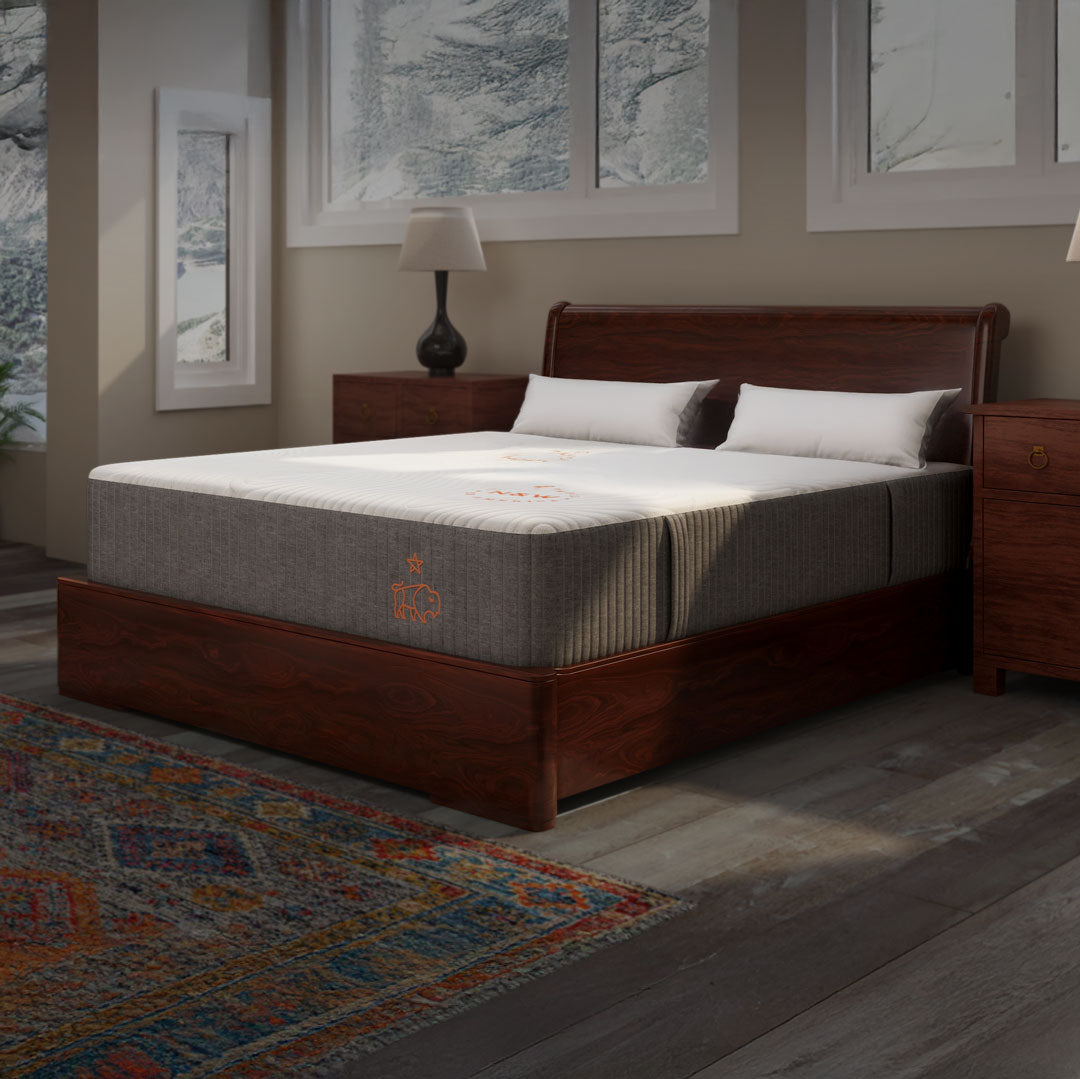
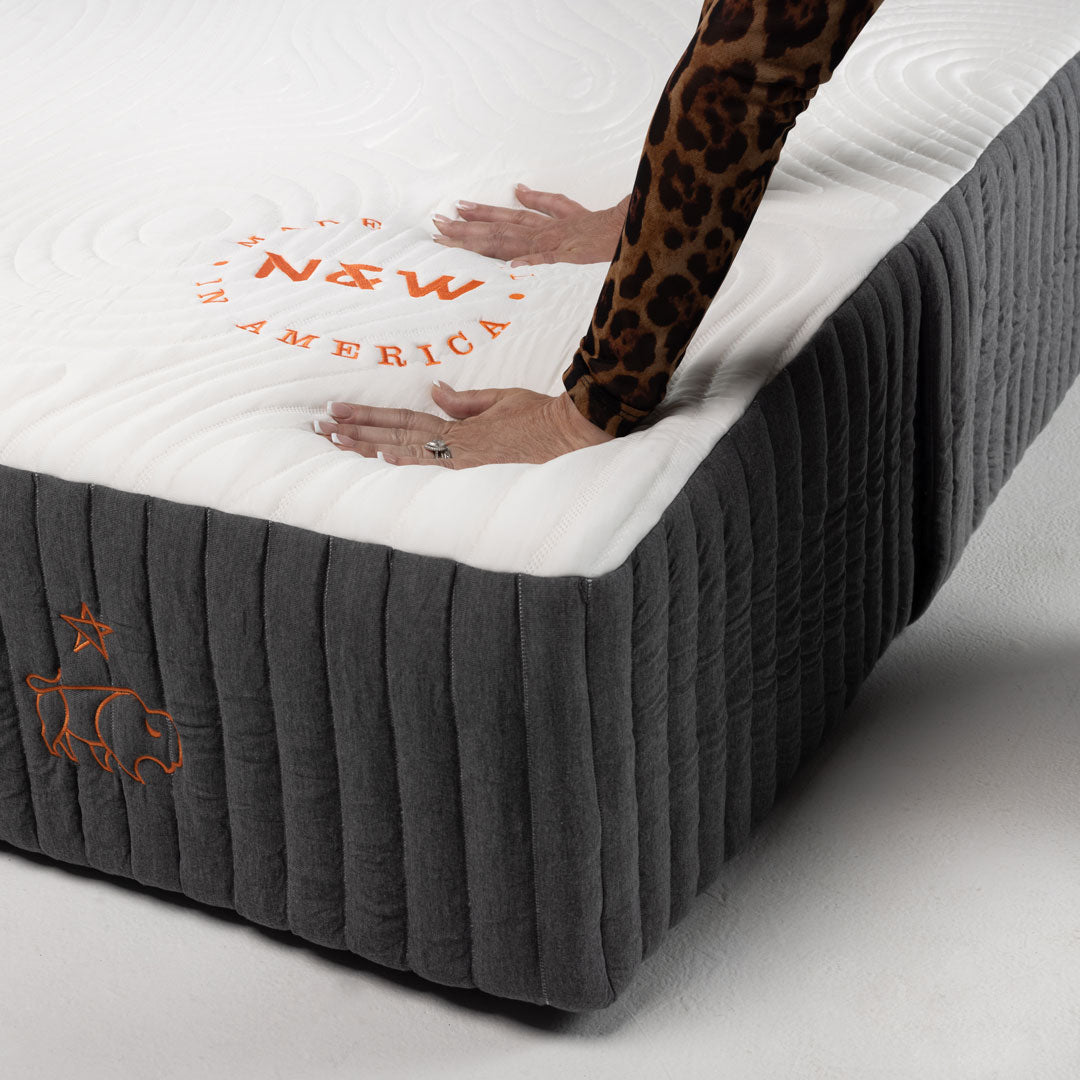
Hybrid mattresses often perform well because coils create open channels for airflow. Nest & Wild's mattress collection emphasizes this approach, combining breathable foams with airflow-focused construction.
The Luxury Hybrid, for example, uses ventilated foam, PCM cooling, and coils to reduce heat retention. Nest & Wild also explains how airflow channels improve cooling in their airflow design article.
PCM (phase change material) adds another layer by absorbing and releasing heat. Scientific reviews at PMC explain how this helps stabilize temperature.
Clinical research supports the impact of temperature-controlled sleep surfaces, including improved comfort and perceived sleep quality (see this study and this one).
Bottom line: real cooling comes from airflow + materials + structure—not just a cool-touch cover.
Can a breathable mattress actually help with night sweats?
If your night sweats are linked to heat buildup, the answer is often yes.
Sleep research consistently shows that thermal comfort directly impacts sleep quality (see NIH research). A breathable mattress reduces heat retention, helping your body maintain a stable sleep temperature.
This is especially helpful for:
- Hot sleepers
- Warm climates
- Hormonal changes (like menopause)
- Heat-retaining bedding setups
For example, the CDC notes sleep disruption during menopause is often linked to night sweats. While a mattress won't treat the cause, it can reduce discomfort during those episodes.
A breathable mattress won't stop sweating entirely—but it can prevent your bed from making it worse.
How can you build a cooler sleep setup around your mattress?
Your mattress works best when the rest of your setup supports airflow too.
Optimize your room
Experts recommend around 65–68°F for sleep (Sleep Foundation).
Choose breathable bedding
Textiles affect sleep temperature and comfort, as shown in bedding research.
Use a breathable protector
Waterproof doesn't have to mean heat-trapping—choose one designed for airflow.
Simplify layers
Too many insulating layers can cancel out cooling benefits.
Upgrade if needed
If your mattress traps heat, consider an airflow-focused option like the Luxury Hybrid or Original Mattress.
- Cooler room
- Breathable sheets
- Fewer layers
- Airflow-focused mattress

When should you replace your mattress for night sweats?
If you're consistently waking up hot despite adjusting your environment, your mattress may be the issue—especially if it feels warm long after you get up.
A good cooling mattress should release heat, not store it. Nest & Wild's mattress collection focuses on airflow, cooling covers, and breathable construction rather than surface-only cooling.
If your current bed traps heat, replacing it can be one of the most impactful changes you make for sleep quality.
Ready for cooler sleep? Explore the Nest & Wild collection and find a mattress designed to let your body breathe—not overheat.
Note: If night sweats are severe or persistent, consult a healthcare provider. Guidance from Mayo Clinic recommends evaluation for underlying causes.